


Excessive Dependence on AI May Lead Companies to Erroneous Decisions and Financial Losses
The accelerated adoption of artificial intelligence in business processes may reduce the quality of management decisions and increase financial and reputational risks. One of the reasons is excessive trust in AI results and the reduced role of specialists who should verify them.
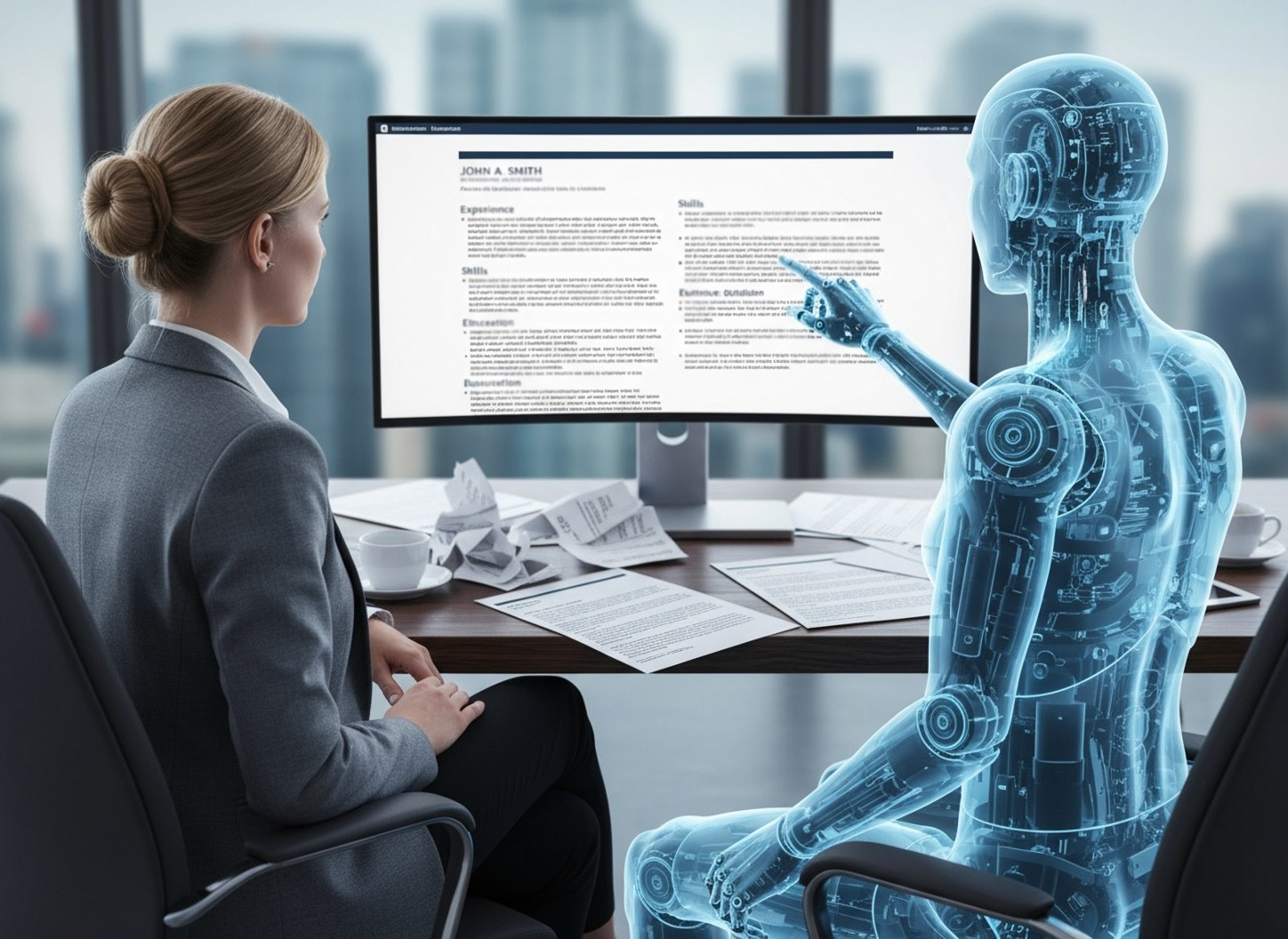
Companies are increasingly using AI assistants to speed up decision-making and expand the range of tasks assigned to employees. As a result, specialists may be given work from adjacent fields without full training, and the role of experts who previously controlled the results is gradually diminishing.
Employees are required to make more decisions in less time and take responsibility for tasks for which they may lack professional preparation. The risks are particularly high when engineering and analytical tasks are delegated to people who can use AI but do not possess the necessary subject-matter expertise.
An additional problem is the perception of AI as an independent team member. Terms like 'agent' and statements about the possible emergence of machine consciousness can create the impression that a company is acquiring a ready-made digital employee rather than a tool with its own limitations. This reduces critical assessment of responses and increases the likelihood of errors.
To mitigate risks, companies are advised to pre-assess the applicability of AI systems, establish clear rules for their use, and train employees to verify results. The safest approach is to use models as an interface to existing systems and an auxiliary tool while preserving expert evaluation and human responsibility for final decisions.