


How to Systematically Streamline Meetings and Regain One Engineer’s Worth of Team Time
At YADRO, meeting time was reduced by 188 hours per month. To achieve this, the GSM testing team analyzed call data and revised the formats of some meetings.
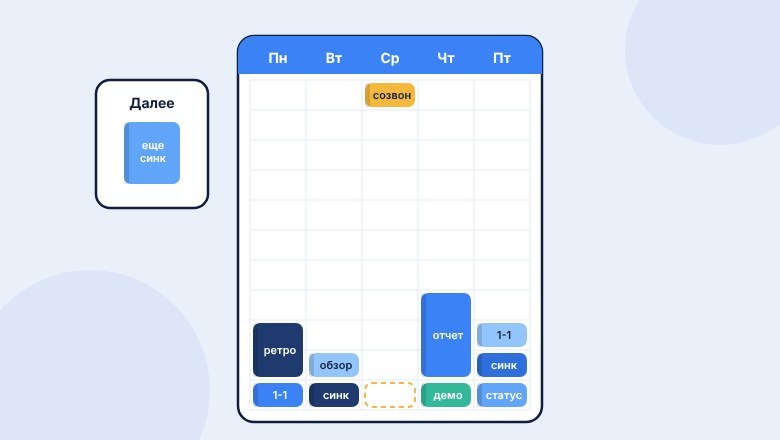
In 2025, the GSM testing department at YADRO consisted of five teams with a total of just over 30 engineers. Employees participated in feature working group meetings and internal department calls, each of which was useful individually but collectively took up a significant portion of working time.
The team did not ban meetings or introduce separate no-call days. First, a focus group collected data on all meetings over the past two to three months, including their duration and frequency, participant roles, subjective usefulness, and reasons for dissatisfaction. If assessments varied significantly, the reasons were clarified with the engineers.
After analysis, meetings were divided into four groups. Internal meetings and feature working group meetings together accounted for about 80% of the time engineers spent on calls. For internal GSM QA meetings, organizers could independently change the rules: shorten the duration, reduce the number of participants, add moderation, and replace some discussions with written communication.

Changes were tested in practice, and feedback was collected again. In most cases, one or two iterations were sufficient, though some formats had to be revised three times. One meeting, during which test results for the month were discussed for an hour, was halved in duration and its format restructured.
As a result, the team spent 188 fewer hours per month on meetings. The article compares this volume to the workload of one additional engineer.